In the old world of advertising, a famous department store mogul named John Wanamaker once lamented, “Half the money I spend on advertising is wasted; the trouble is I don’t know which half.”
If Wanamaker were alive today, performance marketing would be his favorite tool. In this domain, the “missing half” isn’t a mystery—it’s a data point. Performance marketing has fundamentally shifted the power dynamic from the publisher to the advertiser, turning marketing from a speculative expense into a measurable engine for growth.
What Exactly is Performance Marketing?
At its core, performance marketing is a comprehensive term for online marketing and advertising programs where advertisers pay only when a specific action is completed. These actions could be a click, a lead, a sale, or even a mobile app download.
Unlike traditional brand awareness campaigns—which focus on “getting the word out” and are often measured by vague metrics like impressions—performance marketing is strictly bottom-line oriented.
The Core Pricing Models
To understand performance marketing, you have to understand how the bills get paid. The most common structures include:
CPC (Cost Per Click): You pay when someone clicks your ad.
CPL (Cost Per Lead): You pay when someone signs up or provides information.
CPA (Cost Per Acquisition/Action): You pay only when a sale is completed.
CPM (Cost Per Mille): You pay per 1,000 impressions (common in display and video).
The Four Pillars of a High-Performing Campaign
Success in this field isn’t about luck; it’s about engineering. Every elite campaign rests on four foundational pillars.
1. The Offer
You can have the best tracking in the world, but if your product or offer is lackluster, your ROI will suffer. Performance marketing requires a compelling value proposition. This might be a discount code, a free trial, or a “lead magnet” (like a whitepaper) that provides immediate value to the user.
2. The Creative
In a world of “infinite scroll,” your creative assets—images, videos, and copy—are your only tools to stop the thumb.
Static vs. Video: Video often performs better for engagement, but high-quality static images often drive lower CPAs in retargeting.
UGC (User-Generated Content): Raw, authentic-feeling content often outperforms polished, high-budget commercials on platforms like TikTok and Instagram.
3. The Landing Page
If the ad is the invitation, the landing page is the host. A common mistake is sending paid traffic to a generic homepage. High-performance campaigns use dedicated landing pages optimized for one specific goal. They should be fast, mobile-responsive, and have a clear, singular Call to Action (CTA).
4. The Data Loop
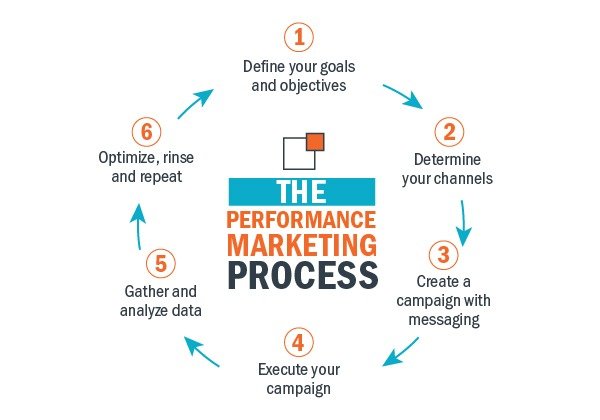
Performance marketing is a game of “test, fail, learn, repeat.” You need robust tracking (Google Analytics, Meta Pixel, server-side tracking) to see exactly where your money is going and which segments are converting.
Strategy: The “Test and Scale” Framework
Most marketers fail because they “set it and forget it.” A true performance marketer operates like a laboratory scientist.
Step 1: The Sandbox Phase
Start with a small budget. Test five different headlines, three different images, and two different audiences. Your goal here isn’t profit; it’s information. You are buying data to see what resonates.
Step 2: Optimization
Once you have data, look for the “winners.” If Ad A has a 2% click-through rate (CTR) and Ad B has 0.5%, kill Ad B immediately. Reallocate that budget to Ad A. This is the process of trimming the fat.
Step 3: Scaling
When you find a combination where $1 in yields $3 out, it’s time to scale. You can scale horizontally (finding new audiences) or vertically (increasing the budget on your winning ads).
The Technical Side: Attribution and Tracking
One of the biggest challenges in 2026 is attribution. With the death of third-party cookies and increased privacy regulations (like ATT on iOS), tracking a user from “first click” to “final sale” is harder than ever.
Modern performance marketers use Marketing Mix Modeling (MMM) and incrementality testing to determine the true value of their ads.
Pro-Tip: Don’t rely solely on “last-click” attribution. A user might see your ad on Instagram, search for you on Google a week later, and then buy. If you only look at the last click, you might mistakenly think Instagram isn’t working.
Common Pitfalls to Avoid
Chasing “Vanity Metrics”: High engagement (likes/shares) feels good, but if it doesn’t lead to conversions, it’s just an expensive ego boost. Stay focused on your primary KPI.
Ignoring the “Ad Fatigue” Factor: Even the best ad will stop working eventually. If your frequency (how many times a person sees your ad) gets too high, your costs will skyrocket. Refresh your creatives every 2–4 weeks.
Bot Traffic and Ad Fraud: Not all clicks are human. Use reputable platforms and fraud detection tools to ensure you aren’t paying for “ghost” traffic.
The Future: AI and Automation
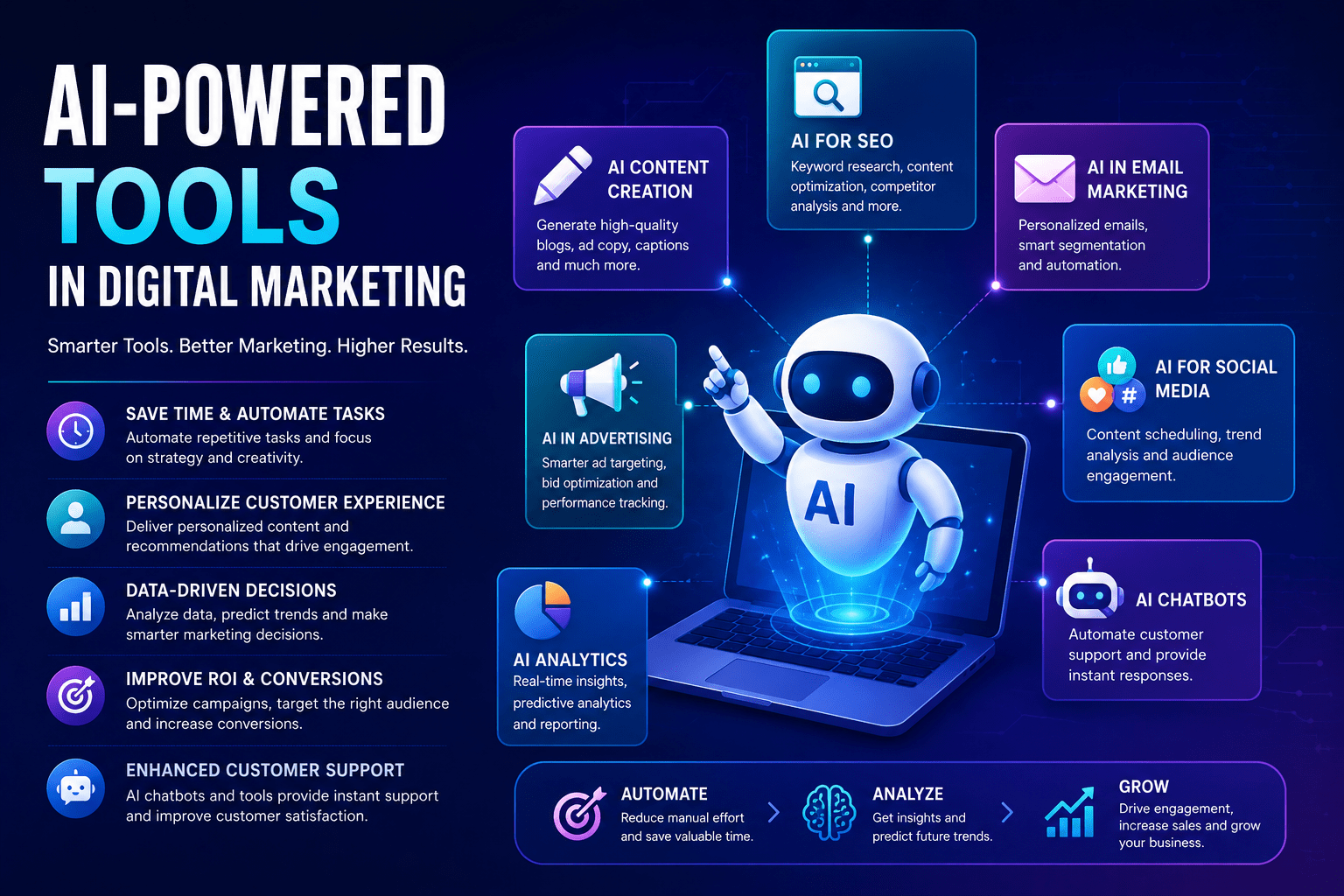
The future of performance marketing is automated. Platforms like Google’s Performance Max (PMax) and Meta’s Advantage+ are increasingly using AI to decide which creative to show to which user.
Your job as a marketer is shifting from “manual button pusher” to “strategic pilot.” You provide the high-quality assets and the strategic direction, and the algorithms handle the micro-optimizations.
Summary: The Performance Mindset
Performance marketing is more than just a set of tactics; it’s a mindset of accountability. It’s about being obsessed with the data, being willing to “kill your darlings” when the ads don’t work, and constantly searching for the next incremental gain.
Whether you are a startup looking for your first 100 customers or a global brand looking to optimize a multi-million dollar spend, the principles remain the same: Test. Measure. Optimize. Repeat.