E-commerce has transformed the way businesses operate, making it possible for anyone to sell products to customers around the world. But simply launching an online store is not enough. With thousands of competitors just a click away, success depends on how effectively you market your products. That’s where e-commerce marketing comes in.
E-commerce marketing is the process of promoting your online store using digital channels to attract visitors, convert them into customers, and retain them for repeat purchases. It involves a mix of strategies such as SEO, social media, paid advertising, email marketing, and conversion optimization.
In this comprehensive guide, we’ll explore everything you need to know about e-commerce marketing—from fundamentals to advanced strategies. 
What is E-commerce Marketing?
E-commerce marketing refers to all the activities used to promote an online store and increase sales. It includes tactics to:
- Drive traffic to your website
- Convert visitors into customers
- Retain existing customers
- Increase lifetime value
Unlike traditional marketing, e-commerce marketing is highly data-driven. You can track user behavior, measure performance, and optimize campaigns in real-time.
Why E-commerce Marketing is Important
The e-commerce industry is growing rapidly, but so is competition. Without a strong marketing strategy, even the best products may go unnoticed.
Here’s why e-commerce marketing is essential:
1. Increases Visibility
Your store needs traffic to generate sales. Marketing helps your brand reach potential customers.
2. Builds Brand Trust
Consistent content and engagement help build credibility.
3. Drives Conversions
Marketing strategies guide users from discovery to purchase.
4. Encourages Repeat Purchases
Retention strategies help turn one-time buyers into loyal customers.
5. Maximizes ROI
Data-driven marketing ensures you spend money efficiently.
E-commerce Marketing Funnel
Understanding the customer journey is key to success. The e-commerce funnel typically has four stages:
1. Awareness
At this stage, potential customers discover your brand through ads, social media, or search engines.
Strategies:
- Social media content
- SEO blogs
- Influencer marketing
- Paid ads
2. Consideration
Customers compare products and evaluate options.
Strategies:
- Product reviews
- Comparison guides
- Email nurturing
- Retargeting ads
3. Conversion
The customer makes a purchase.
Strategies:
- Discounts and offers
- Optimized product pages
- Fast checkout process
- Trust badges
4. Retention
Focus on repeat purchases and customer loyalty.
Strategies:
- Email marketing
- Loyalty programs
- Personalized offers
- Customer support
Key E-commerce Marketing Channels
1. Search Engine Optimization (SEO)
SEO helps your store rank on search engines like Google. It brings organic traffic without paying for ads.
Key areas:
- Keyword optimization
- Product page SEO
- Technical SEO
- Content marketing
Example:
If someone searches “best car cleaning kit,” your optimized product page should appear in results.
2. Social Media Marketing
Platforms like Instagram, Facebook, and TikTok are powerful tools for e-commerce.
What works:
- Reels and short videos
- Product demonstrations
- User-generated content
- Influencer collaborations
Consistency and creativity are crucial here.
3. Paid Advertising (Performance Marketing)
Paid ads provide immediate traffic and sales.
Popular platforms:
- Google Ads
- Facebook Ads
- Instagram Ads
Types of ads:
- Search ads
- Display ads
- Shopping ads
- Retargeting ads
Retargeting is especially powerful because it targets users who already visited your store.
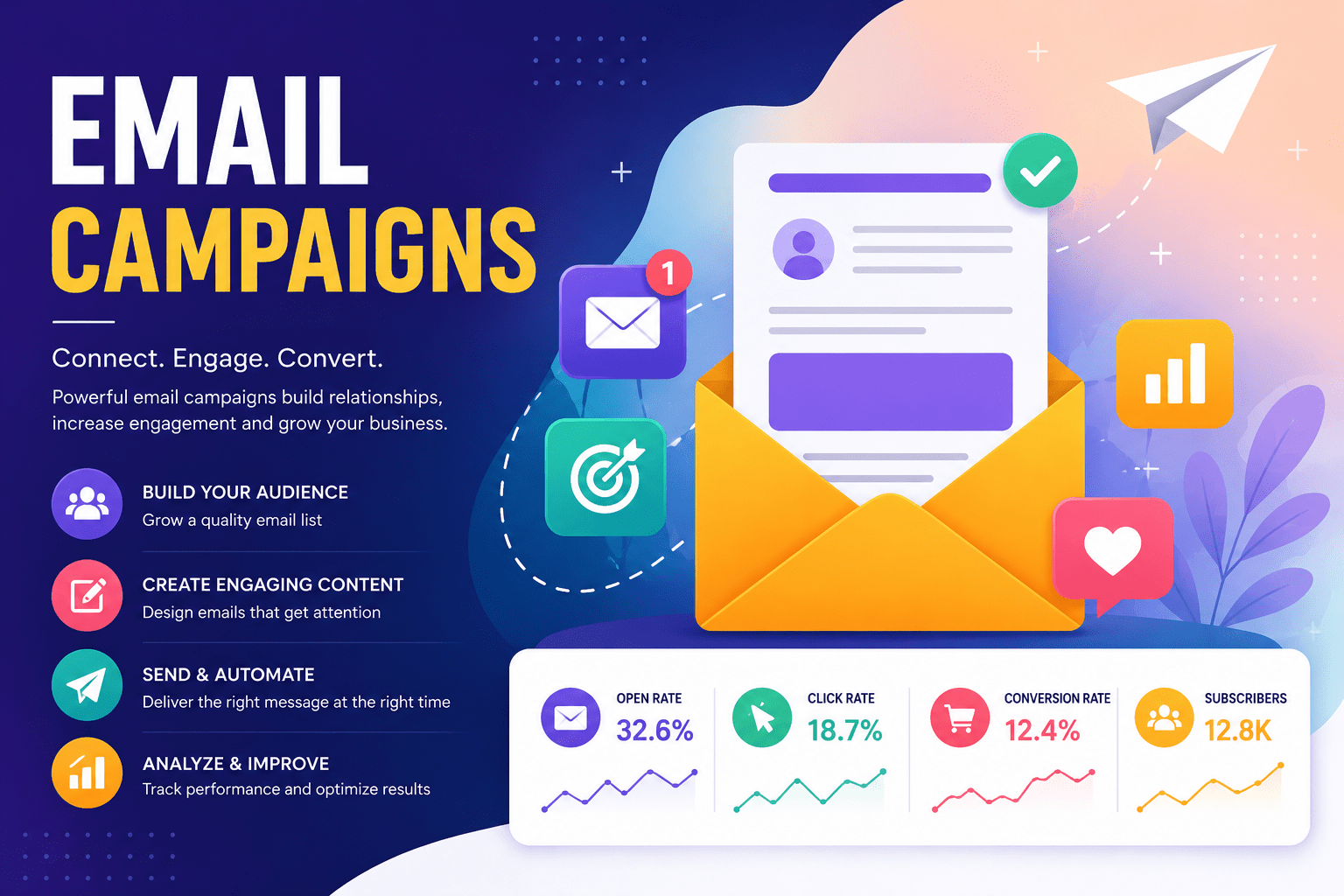
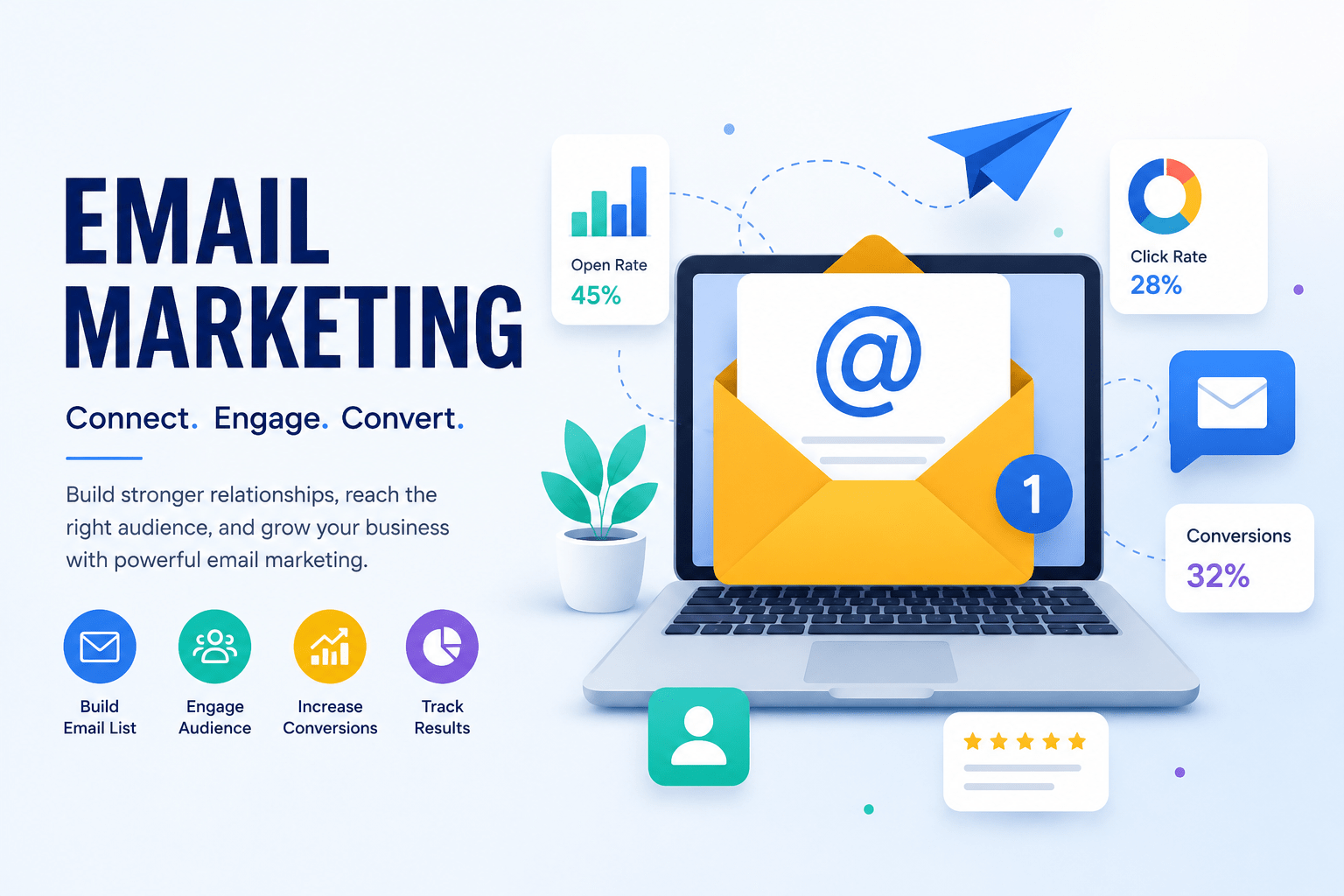
4. Email Marketing
Email marketing is one of the highest ROI channels.
Types of emails:
- Welcome emails
- Abandoned cart emails
- Promotional emails
- Product recommendations
Automation makes it easy to nurture leads and increase sales.
5. Influencer Marketing
Influencers help build trust and reach targeted audiences.
Benefits:
- Authentic promotion
- Increased brand awareness
- Higher engagement
Micro-influencers often deliver better ROI than big celebrities.